

Ever feel like one side of your body is doing all the work?
If you’re a golfer, tennis player, surfer, or even a passionate hiker favoring one leg for balance—you’re not imagining it. You’re living with muscle imbalances caused by asymmetrical sports. These aren’t just minor quirks of movement. Over time, they can lead to pain, reduced performance, and even injury.
At Carmel Massage, we work with a wide range of athletes—from Big Sur Marathon runners to Pebble Beach golfers—who are dealing with the hidden wear-and-tear that asymmetrical sports leave behind. The good news? You don’t have to accept imbalance as inevitable.
Let’s break down how these imbalances develop, what they do to your body, and how sports massage in Carmel-by-the-Sea can be part of a smarter strategy for relief, recovery, and resilience.
What Are Asymmetrical Sports?
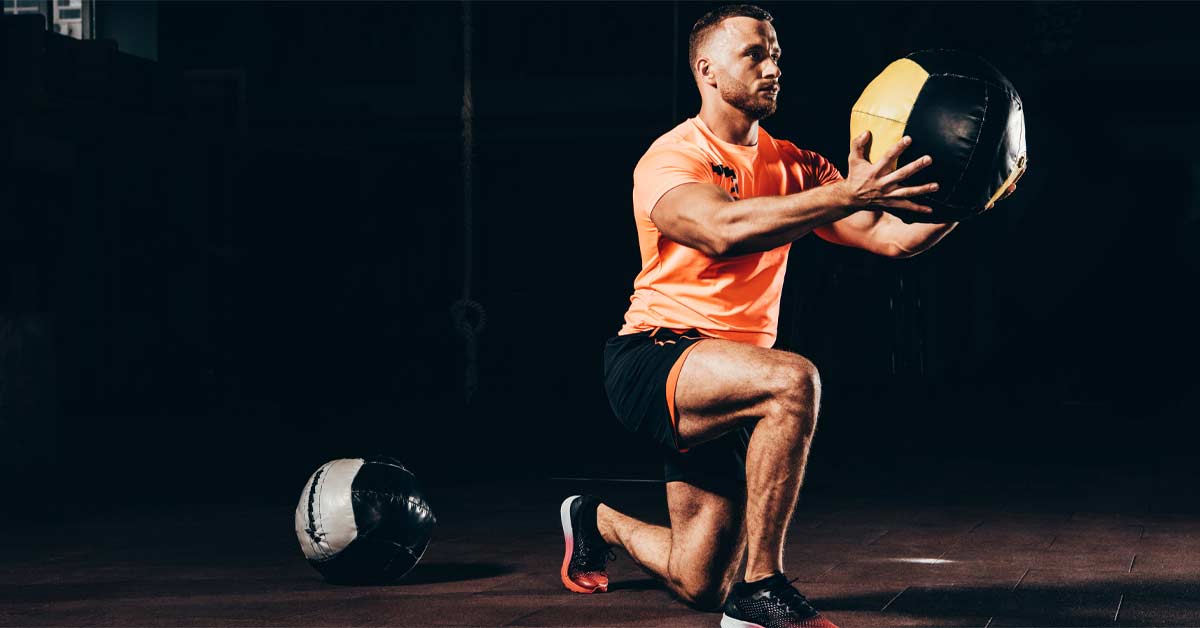
Asymmetrical sports are any activities where one side of the body does significantly more work than the other. Some common examples include:
- Golf: Repeated swings from one side
- Tennis: Dominant arm strain from serving and groundstrokes
- Baseball / Softball: Throwing, pitching, and batting from one side
- Surfing / Skateboarding: Leading with one foot consistently
- Archery: Drawing with the same arm
- Cycling / Running: Poor gait habits can create lateral asymmetry over time
Even activities like gardening, kayaking, or playing an instrument can cause these imbalances if movement is repetitive and one-sided.
Why Muscle Imbalances Matter
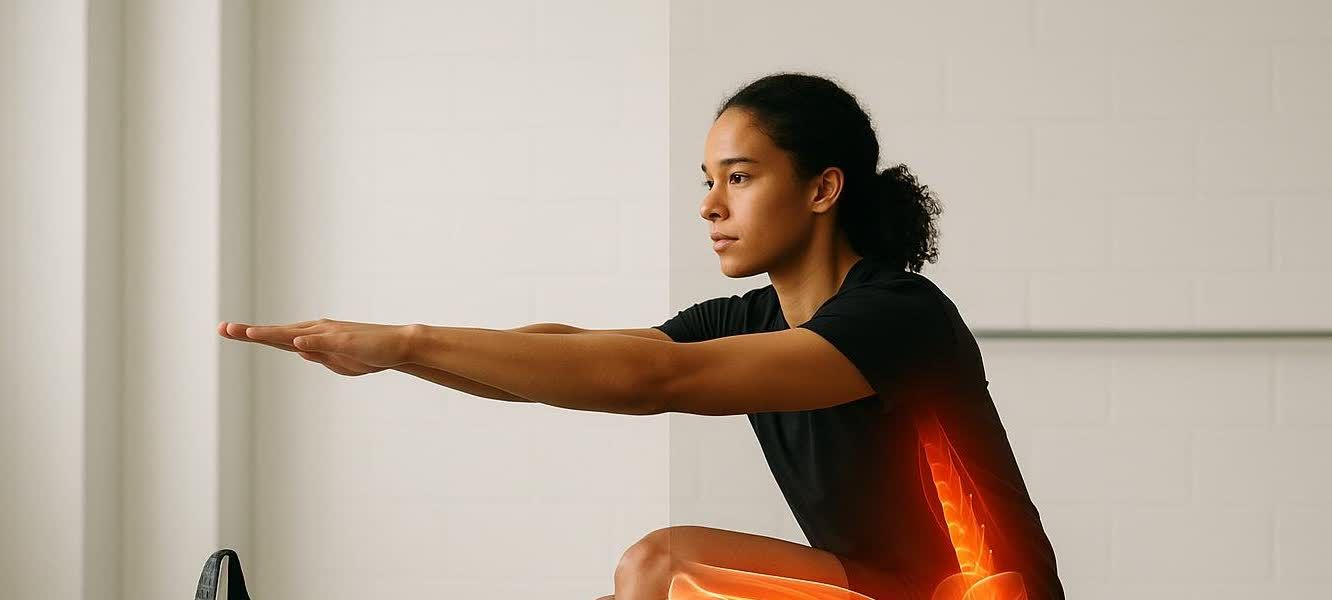
Your body is built for balance. When one group of muscles becomes stronger or tighter than its counterpart, it throws off your entire kinetic chain.
The consequences?
- Overuse injuries in the dominant side
- Weakness or instability on the non-dominant side
- Chronic pain, especially in shoulders, hips, and lower back
- Joint stress and postural distortion
- Decreased performance and mobility limitations
What starts as tightness in one shoulder could eventually lead to compensations in your hips or knees. That’s why understanding muscle imbalance isn’t just for pro athletes—it’s for anyone who wants to move well, stay pain-free, and age actively.
How to Tell If You’re Imbalanced
Some level of asymmetry is completely normal—your dominant hand is stronger, you probably favor one leg when you stand, and you might always reach for things a certain way. But when these patterns go unchecked, they can quietly throw your whole system off balance.
Here are some common red flags that your body may be compensating too much on one side:
- One shoulder sits higher than the other
Look in the mirror: Is one side of your collarbone higher or more tense? This often points to chronic muscle shortening or postural compensation. - You always carry a bag on the same side
Shoulder bags and backpacks may seem harmless, but repeatedly loading one side can lead to long-term imbalance in the neck, shoulders, and spine. - You rotate more easily in one direction
If you twist to one side effortlessly but feel resistance going the other way, your core and back muscles may be developing unevenly. - You have recurring tension or soreness on one side
Always tight in the same shoulder? Hamstring? Hip? That’s often a sign your body is working harder on one side to keep things moving. - One leg feels more stable or stronger
Whether you’re walking, lunging, or doing yoga, favoring one leg can throw off your balance and increase risk of injury. - Your range of motion is limited in one hip or shoulder
A subtle difference in flexibility can signal deeper muscular or fascial restrictions—and lead to chronic tightness or joint strain over time.
These imbalances are usually quiet at first—nagging tightness, mild discomfort, limited flexibility. But left unchecked, they can evolve into more serious issues like joint dysfunction, nerve compression, or injury.
The good news? With proper attention—like corrective massage, mobility work, and awareness—you can catch these patterns early and bring your body back into alignment.
Neuromuscular Compensation: Your Brain’s Sneaky Shortcut
Your brain wants efficiency, not symmetry. When it senses tightness or weakness, it reroutes the movement to other muscle groups—creating what’s called neuromuscular compensation.
The result? Muscles that are supposed to assist start taking over. Others that should be primary movers shut down. This leads to faulty movement patterns that feel normal—even though they’re slowly stressing your joints and soft tissue.
This is where sports massage therapy becomes not just helpful, but essential.
The Role of Sports Massage in Rebalancing the Body
Sports massage is much more than a relaxing rub-down. When done by experienced therapists—like the ones at Carmel Massage—it becomes a form of muscular dialogue. We assess, listen, and respond to your body’s real-time signals.
How it helps:
- Releases chronically tight areas caused by repetitive motion
- Stimulates underused muscles, restoring balance
- Improves circulation and nutrient flow for faster recovery
- Breaks up adhesions and scar tissue, especially in old injuries
- Restores range of motion and functional flexibility
Most importantly, it helps retrain your body to move the way it was designed to. That’s the kind of balance that lasts far beyond a single session.
Why Sports Massage in Carmel-by-the-Sea?
There are plenty of places to get a massage. But here’s what makes sports massage in Carmel-by-the-Sea different—especially when you choose Carmel Massage:
- Therapists with 1,000+ hours of training in therapeutic, neuromuscular, and sports massage
- Customized sessions based on your sport, movement habits, and goals
- A tranquil, mountain-view studio, just minutes from Carmel Valley and the ocean
- Deep local knowledge—many of our clients are runners, golfers, surfers, hikers, and creatives
Whether you’re visiting after a weekend at Pebble Beach or live locally and need routine bodywork, our goal is simple: get you balanced, pain-free, and fully restored.
Ready to Get Back in Balance?
If your sport—or just the way you move through life—has created imbalances in your body, don’t wait for discomfort to turn into pain or injury.
Sports massage in Carmel-by-the-Sea isn’t just a luxury. It’s a smart, proactive way to keep your body aligned, mobile, and resilient. Whether you’re an athlete, a weekend hiker, or someone with a physically demanding job, the right combination of massage techniques can help restore balance and prevent setbacks.
Our experienced therapists are here to help you:
- Recover faster after training or competition
- Move with more freedom and ease
- Prevent common overuse injuries
- Reconnect with how your body should feel
Call us directly to schedule your personalized session:
Tell us about your sport, your symptoms, or what your body’s been going through. We’ll create a session that addresses your imbalances and supports your goals—no cookie-cutter treatments here.
Final Word
Muscle imbalances from asymmetrical sports—like tennis, golf, or baseball—can lead to overuse injuries, poor posture, and limited performance. Understanding how your body compensates is the first step toward restoring alignment, strength, and mobility. With targeted massage therapy and corrective bodywork, you can rebalance stressed areas and support long-term physical health. Whether you’re an athlete or a weekend warrior, don’t wait for pain to force a timeout. Stay proactive and keep your body in top form.
Call us directly to schedule a personalized session tailored to your needs, or email us.


